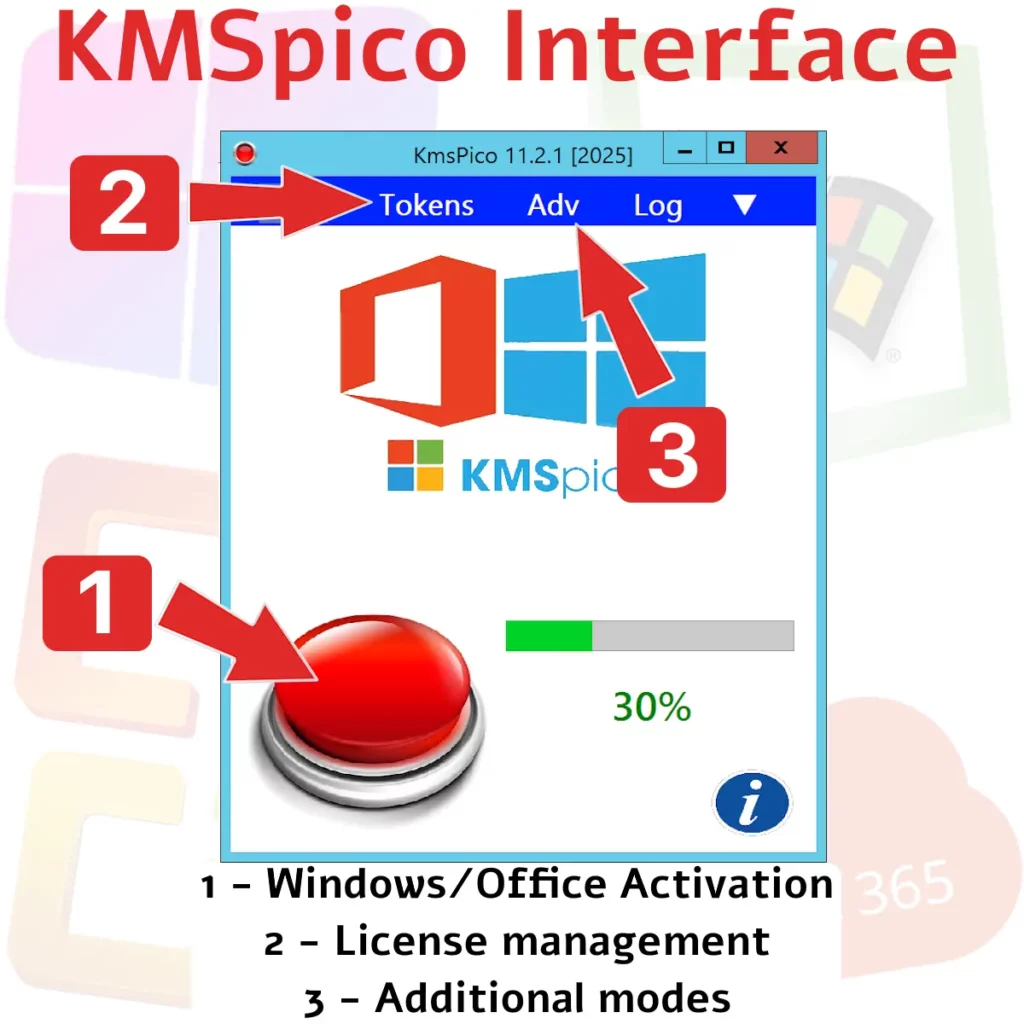
In the realm of software compliance, effectively managing Office activations poses a significant challenge for organizations. Utilizing Key Management Service (KMS) tools offers a streamlined way to ensure compliant activation of Office products across multiple devices. This article delves into how to efficiently activate office with kms while navigating common constraints.
Understanding Office Activation and KMS
KMS is a popular tool for managing volume licensing for organizations that deploy Microsoft Office across numerous computers. It allows IT administrators to activate office with kms without requiring individual product keys for each installation. This centralized approach not only simplifies license management but also aligns with organizational compliance standards.
The Role of KMS in Volume Licensing
Volume licensing agreements are crucial for organizations that need to deploy Office on a large number of workstations. By activating office with kms, businesses can reduce overhead associated with managing individual licenses. The KMS server validates activations within the enterprise network, often checking in every 180 days to maintain active status. This cyclical validation ensures that all installations remain compliant and functional without manual intervention, effectively reducing administrative burdens.
Activate Office with KMS: Essential Steps
To successfully activate office with kms, certain steps must be followed. First, set up a KMS host, which could be a physical server or a virtual machine (commonly configured with at least 2 vCPUs and 4 GB RAM). Install the appropriate volume license key on the KMS host using the Volume Activation Management Tool (VAMT) or via command line interfaces such as DISM. These tools facilitate easy deployment and ensure that all necessary configurations adhere to Microsoft’s guidelines.
Configuring Clients to Activate Office with KMS
The next step involves configuring client machines to connect to the KMS host for activation. This connection is typically achieved through DNS auto-discovery, allowing client devices to locate and communicate with the KMS server automatically. Once configured, clients will periodically reconnect to the KMS host to verify their activation status, ensuring compliance and operational functionality. It’s crucial for IT teams to regularly monitor these connections to preemptively address any potential connectivity issues that may arise.
Common Issues in Activating Office with KMS
During the process of activating office with kms, organizations might encounter several common issues. One frequent problem is an insufficient number of activations to establish a valid activation threshold. For example, Office requires at least five activations before clients can be activated through the KMS host. Additionally, network misconfigurations often pose challenges where automatic discovery fails, necessitating manual configuration adjustments by IT staff.
Troubleshooting Activation Errors
Error messages may arise due to misconfigurations or network issues preventing successful communication between clients and the KMS host. Utilizing tools like event log monitoring can aid administrators in diagnosing such problems effectively. Additionally, running specific troubleshooting scripts can help identify whether DNS records are correctly configured for auto-discovery purposes. Regular audits and checks should be scheduled as part of routine maintenance practices to ensure seamless operations.
Comparison
| Aspect | KMS Activation | Volume Licensing | Retail Activation |
|---|---|---|---|
| License Type | Volume License Key | Enterprise Agreement | Individual License Key |
| Activation Server | Internal KMS Server | Microsoft Servers | No Server Required |
| Compliance Monitoring | Requires Regular Checks | Managed by Microsoft | User Responsibility |
| License Renewal | Every 180 Days | Based on Contract Terms | No Renewal Needed |
| User Limitations | Unlimited Activations Within Org | Limited to Agreement Terms | Tied to Individual User/PC |
KMS Tools and Automation: A Strategic Approach
Automating parts of the activation process is beneficial in maintaining efficiency in larger environments. Administrators can deploy activation scripts that configure new installations of Office to communicate seamlessly with the existing KMS infrastructure. These scripts often streamline operations by automating routine checks and configurations necessary for successful activation. Automation not only saves time but also minimizes human error, providing a consistent approach across all deployments. To easily activate Office with KMS, explore helpful tools and guides at https://www.kmspico.lc/ for a seamless experience.
Using Popular Tools Like KMSpico for Windows 10
While often used for Windows 10 activations, KMSpico and similar tools can also simplify the process for activating office products under certain conditions. However, it is important to ensure these tools comply with legal usage rights as dictated by Microsoft licensing agreements. Organizations must weigh the benefits against potential risks associated with third-party tools and ensure they align with internal policy frameworks.
The Future of Office Activation with KMS
As technology evolves, so too will methods for activating office tools within corporate environments. Making use of an effective windows 10 kms activation strategy ensures that businesses remain aligned with current trends and compliance requirements. Organizations must stay informed about updates in license management protocols and adapt accordingly. Keeping abreast of technological advancements enables companies to leverage new features and functionalities effectively while maintaining compliance.
Preparing Your Infrastructure for Long-Term Compliance
Maintaining a proactive stance on license management by routinely auditing your existing systems will support long-term compliance and efficiency. This includes reviewing snapshot timings during virtualization deployments as well as evaluating whether upgrading hardware specifications could enhance performance metrics tied to kms windows activator functions. Regular training sessions on best practices can empower IT teams to handle ongoing changes confidently.
The Role of Cloud Services in Activation Strategies
- Integrating cloud services can offer more flexibility in handling activations across geographically dispersed offices.
- Migrating parts of your infrastructure to cloud platforms might necessitate different approaches compared to traditional on-premise setups.
- This shift also introduces new considerations regarding latency and reliability when accessing remote kms activator solutions.
- Adopting hybrid models allows organizations to benefit from both local resources’ stability and cloud scalability.
The ability to activate office with kms effectively hinges not only on understanding current practices but also anticipating future trends in technology deployment and compliance requirements. As corporations grow and evolve, staying ahead in terms of software management ensures they leverage their software assets fully while maintaining strict adherence to licensing agreements.
This proactive approach involves continually updating knowledge about new developments related to both Microsoft’s offerings and third-party tools like KMSpico. Regular training sessions for IT staff on emerging best practices can further reinforce compliance efforts while maximizing productivity through efficient license management strategies. Engaging with industry forums or professional networks keeps your organization informed about evolving challenges and solutions in software management spaces.
Ultimately, understanding how best to activate office with kms amidst evolving technologies will enable corporations to leverage their software assets fully while maintaining strict adherence to licensing agreements. By fostering an adaptive culture within IT departments, companies position themselves strategically for future growth while mitigating risks associated with non-compliance or outdated procedures.
Deprecated: Function get_magic_quotes_gpc() is deprecated in /home/jmjplumb/public_html/test/wp-includes/formatting.php on line 3969
Deprecated: Function get_magic_quotes_gpc() is deprecated in /home/jmjplumb/public_html/test/wp-includes/formatting.php on line 3969
Deprecated: Function get_magic_quotes_gpc() is deprecated in /home/jmjplumb/public_html/test/wp-includes/formatting.php on line 3969